Get Healthy!
- Posted April 15, 2026
Yes, This is the Worst Pollen Season Ever — Until Next Year
When I was training to be a board-certified allergist 20 years ago, a running joke cropped up every spring. Local media outlets loudly proclaimed the worst pollen season ever!
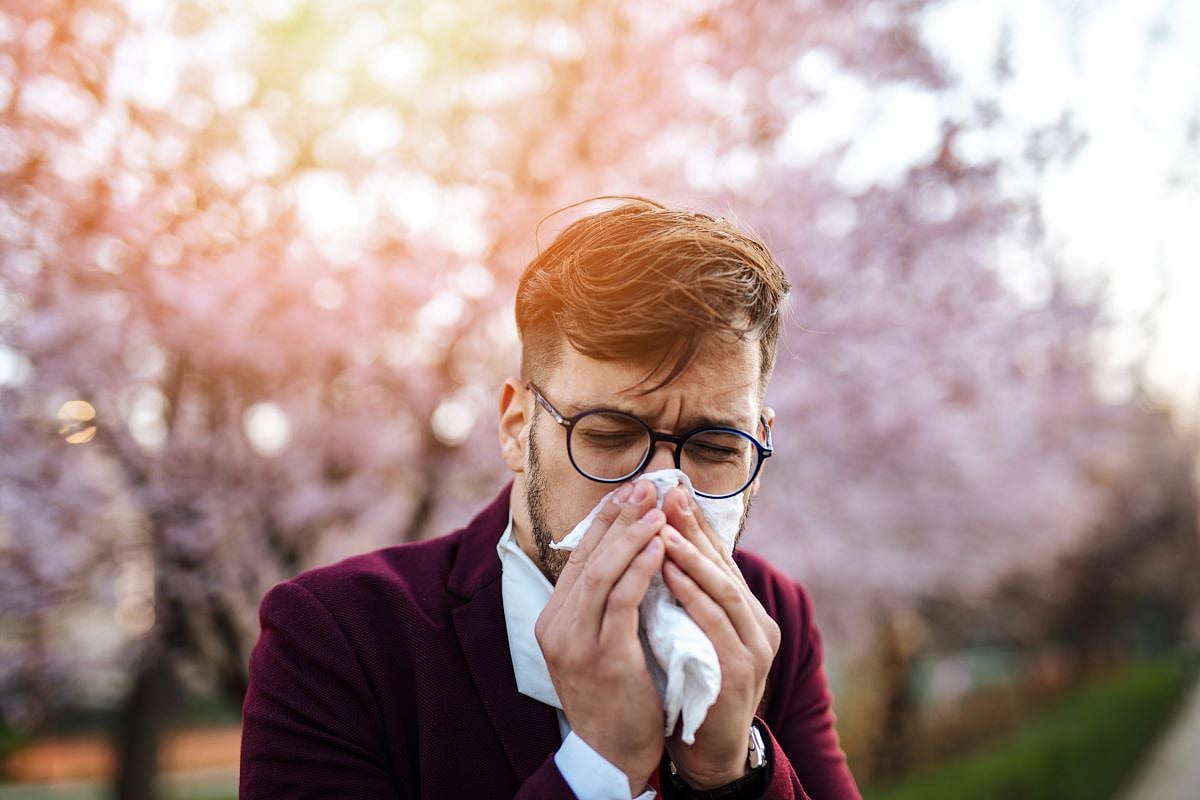
Spring is when trees release microscopic pollen into the air, causing misery for the tens of millions of people living with seasonal allergies and asthma.
We used to think the onslaught was worse than the previous year. Now, we know beyond any doubt that pollen seasons are indeed worse than ever before.
Earth Day 2026 is April 22, a perfect time to reflect on the planet’s effect on those of us who live here. Spring brings a deluge of patients into allergists’ offices who are sneezing, wheezing and generally miserable.
Allergic rhinitis and asthma are two of the most common chronic conditions affecting children and adults.
Anyone with allergies can tell you how they suffer from constant itching, sneezing, nasal congestion and runny noses. They even have a tell-tale sign called “the allergic salute,” which is a crease across their nose created from constant rubbing.
People with asthma are exquisitely sensitive to multiple different microscopic triggers in the air, including pollen, pollution, fragrances, aerosol sprays, ozone and essentially anything that one can smell or breathe into their lungs.
Poor control of allergies and asthma contributes to more than just poor sleep, itchy eyes and sneezing attacks.
There is a massive economic toll due to the cost from missed work and school, along with emergency department visits and hospitalizations.
Climate change directly impacts allergies and asthma in many ways. Warmer temperatures and increased levels of carbon dioxide in the atmosphere mean trees, grasses and weeds are pumping more pollen than ever into the air.
Pollen season starts earlier and lasts longer. New species are now appearing in northern areas that were once too cold for these plants to grow.
Unfortunately, the impacts involve much more than just pollen. Climate change has created more extremes of temperature, rapidly changing weather patterns and more natural disasters.
Smoke from wildfires travels hundreds of miles. Mold, which can cause allergic reactions, prospers during floods and humid conditions. Ozone levels, small particulates and airborne pollution rise during hot, sunny days with no wind or cloud cover.
All these factors worsen symptoms for people with allergies and asthma. Many not only experience more weeks of misery but also more severe episodes. Asthma attacks are a leading cause of hospitalizations and even nowadays, cause 10 deaths a day in the United States.
Combating climate change requires large scale societal efforts. But the toll is felt by individuals.
So, what can you do? Here are some tips from allergists on ways to prevent changes in the environment from making your asthma and allergy symptoms “the worst ever:”
Stay indoors when pollen levels are high, especially in the morning when levels peak.
Use HEPA air purifiers in your home and keep windows (car and home) closed on high pollen days. Use air conditioning whenever possible.
Wear a mask (like an N95) during high pollen or smoke events.
Avoid outdoor exercise when air quality is poor.
Reduce mold exposure by using dehumidifiers in damp areas, and fix leaks and ventilate bathrooms and kitchens. Clean visible mold promptly.
Remember to keep up with your asthma meds. Preventative inhalers (controller meds) are especially important.
If you suffer from allergies or asthma, allergists specialize in providing individualized therapies. We love helping people feel better and keeping them out of the hospital. We also know the hidden burden these conditions cause, such as trying to work or simply be present while dealing with fatigue and constant itching.
The American College of Allergy, Asthma and Immunology has an online “Find an Allergist” tool to help you locate board-certified allergists in your area. You may not be able to tackle climate change all by yourself, but you can find relief.
About the expert
Dr. Stukus is a professor of clinical pediatrics and the director of the Food Allergy Treatment Center at Nationwide Children's Hospital in Columbus, Ohio. Dr. Stukus is the current president-elect for the American College of Allergy, Asthma and Immunology. In addition, he is an associate editor for Annals of Allergy, Asthma and Immunology and previously served as an elected member of the executive committee for the section on allergy and immunology within the American Academy of Pediatrics. Dr. Stukus has authored over 120 peer-reviewed articles, 2 books (just finished writing his 3rd) and a dozen book chapters. He is active on social media as @AllergyKidsDoc where he combats misinformation.
